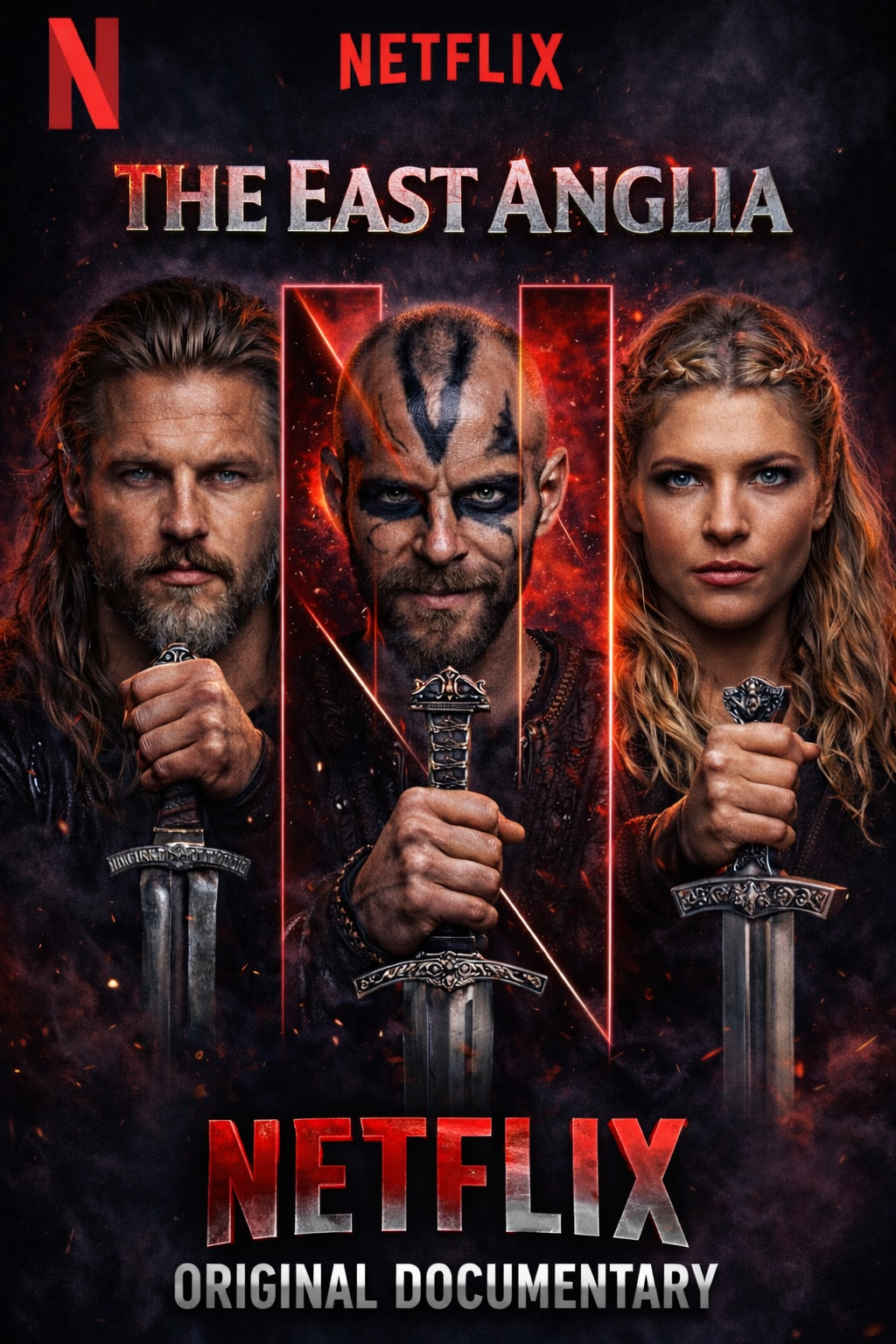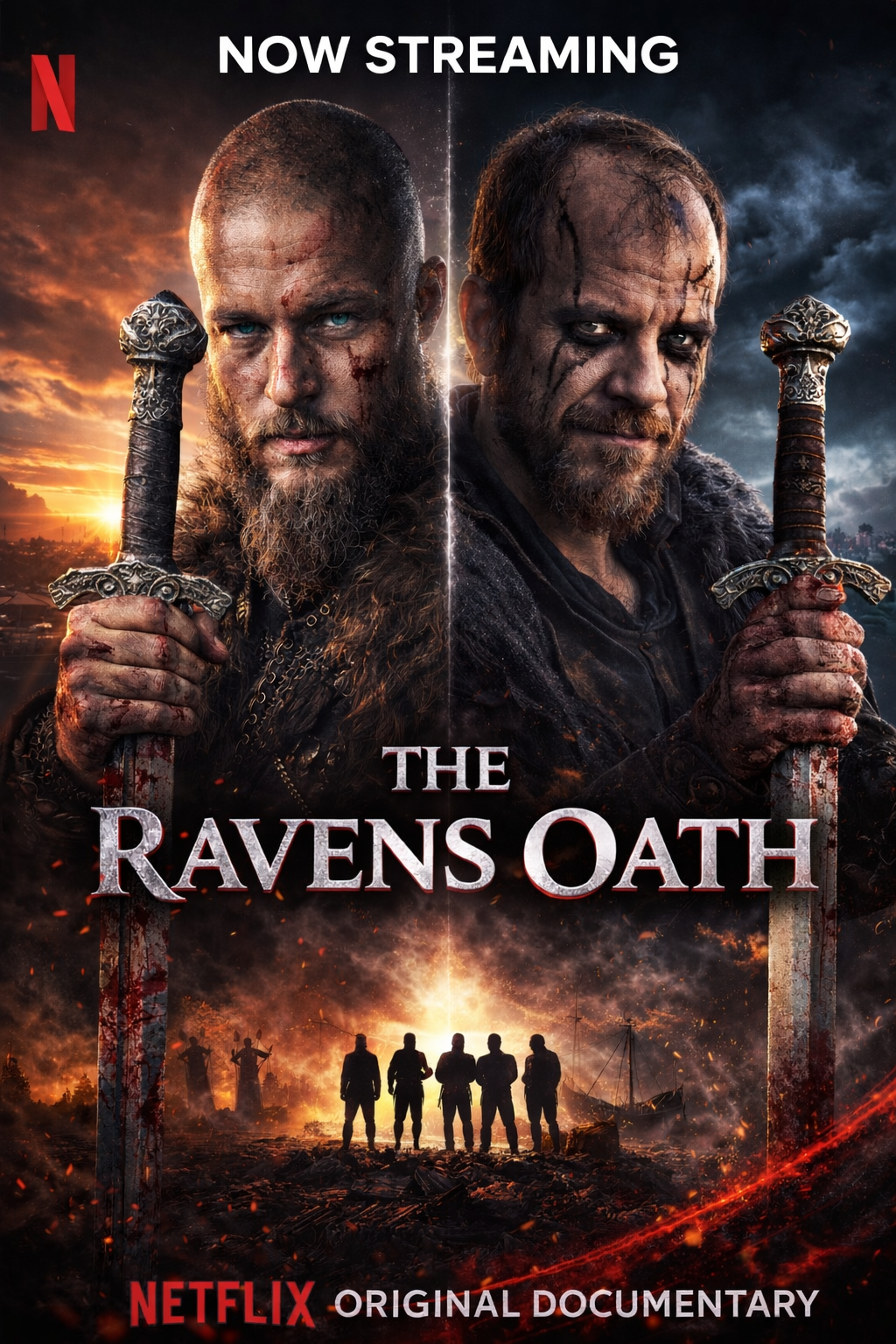
The enduring fascination with Viking history and mythology has found a new chapter in Netflix’s upcoming epic, The Raven Oath. Centered on the legendary Norse figure Ragnar Lothbrok, the series promises to reintroduce one of the most iconic warriors of the Viking Age to a new generation of viewers. Blending myth, history, and cinematic storytelling, the show aims to breathe fresh life into a character whose legend has captivated audiences for centuries. With sweeping landscapes, brutal battles, and deeply human drama, The Raven Oath seeks to explore not just the warrior, but the man behind the legend.
Ragnar Lothbrok is a figure who straddles the line between myth and historical possibility. Chronicled in Norse sagas and medieval texts, he is portrayed as a fearless raider, cunning strategist, and ambitious ruler whose exploits stretched across Scandinavia and into the kingdoms of England and Francia. Over time, Ragnar became more than just a warrior; he evolved into a symbol of Viking ambition, resilience, and relentless exploration. Netflix’s new series appears determined to embrace both sides of this legacy.
The Raven Oath opens with a Scandinavia on the brink of transformation. Tribal rivalries, shifting loyalties, and the growing lure of distant lands create a tense and volatile environment. Ragnar emerges not merely as a conqueror but as a visionary who sees beyond the horizon. His belief that the gods favor boldness drives him to challenge both tradition and authority, setting the stage for a journey that will shape the fate of his people.
Unlike many portrayals that focus solely on Ragnar’s battlefield prowess, the series reportedly delves deeply into his personal conflicts and motivations. His relationships with family, allies, and rivals are portrayed as complex and often fraught with tension. These emotional layers provide a richer understanding of Ragnar as a leader who carries both the burden of ambition and the weight of responsibility.
The title The Raven Oath itself holds symbolic significance rooted in Norse mythology. Ravens are closely associated with Odin, the chief of the Norse gods, whose two ravens Huginn and Muninn are said to traverse the world gathering knowledge. In the series, the raven becomes a powerful motif representing fate, prophecy, and the sacred bonds warriors swear before battle. The oath suggests a deeper spiritual dimension to Ragnar’s journey, hinting that his path may be guided—or haunted—by forces beyond human control.
Visually, the show is expected to lean heavily into the stark beauty of the Nordic world. Snow-covered fjords, dense forests, and stormy seas create an atmosphere that feels both majestic and unforgiving. These landscapes are not just backdrops but active participants in the story, shaping the lives and struggles of the characters who inhabit them.
Battle sequences are rumored to be among the most ambitious ever attempted in a Viking-themed production. From brutal shield-wall clashes to daring longship raids along foreign shores, the action aims to capture the raw intensity of Viking warfare. Yet the series also emphasizes strategy and psychological warfare, illustrating that Ragnar’s greatest weapon may be his mind rather than his axe.
One of the most intriguing aspects of The Raven Oath is its exploration of the cultural and spiritual world of the Vikings. Rituals, sacrifices, and prophetic visions play a central role in shaping decisions and guiding warriors. The show appears committed to presenting Norse beliefs with authenticity, portraying a society where the line between the mortal and divine realms often feels dangerously thin.
The political intrigue within Viking society is another core element of the story. Rival jarls, shifting alliances, and the struggle for power form a constant undercurrent of tension. Ragnar’s rise is not simply a matter of strength but of navigating a complex web of loyalties and betrayals. His ambition places him at odds with traditional leaders who fear the upheaval his ideas may bring.
Beyond Scandinavia, the series expands its scope to the wider world that Vikings would eventually encounter. The lure of wealthy monasteries, fertile lands, and unfamiliar cultures fuels Ragnar’s dreams of exploration. These journeys promise to introduce audiences to the dramatic encounters between Norse warriors and the kingdoms of medieval Europe.
What makes Ragnar Lothbrok such a compelling character is his blend of audacity and vulnerability. He is portrayed as a man who questions the limits imposed by both society and the gods themselves. His determination to carve his own destiny resonates with modern audiences who are drawn to stories of individuals challenging the boundaries of their world.
At its heart, The Raven Oath is not merely a story about conquest or glory. It is a meditation on legacy, belief, and the cost of ambition. Ragnar’s actions ripple outward, affecting not only his own life but the future of his people and the lands they encounter.
As anticipation builds for the series, fans of Viking lore and historical drama alike are eager to see how this new interpretation will unfold. With its focus on character depth, mythological symbolism, and sweeping storytelling, The Raven Oath has the potential to stand alongside the most memorable epics of the genre.
In resurrecting the legend of Ragnar Lothbrok, Netflix is tapping into a story that has endured for over a thousand years. Legends survive because they speak to something timeless in the human spirit—the desire to explore, to conquer fear, and to leave a mark on history. If The Raven Oath succeeds, Ragnar’s saga may once again soar like Odin’s ravens across the world, carrying with it the echoes of a Viking legend reborn