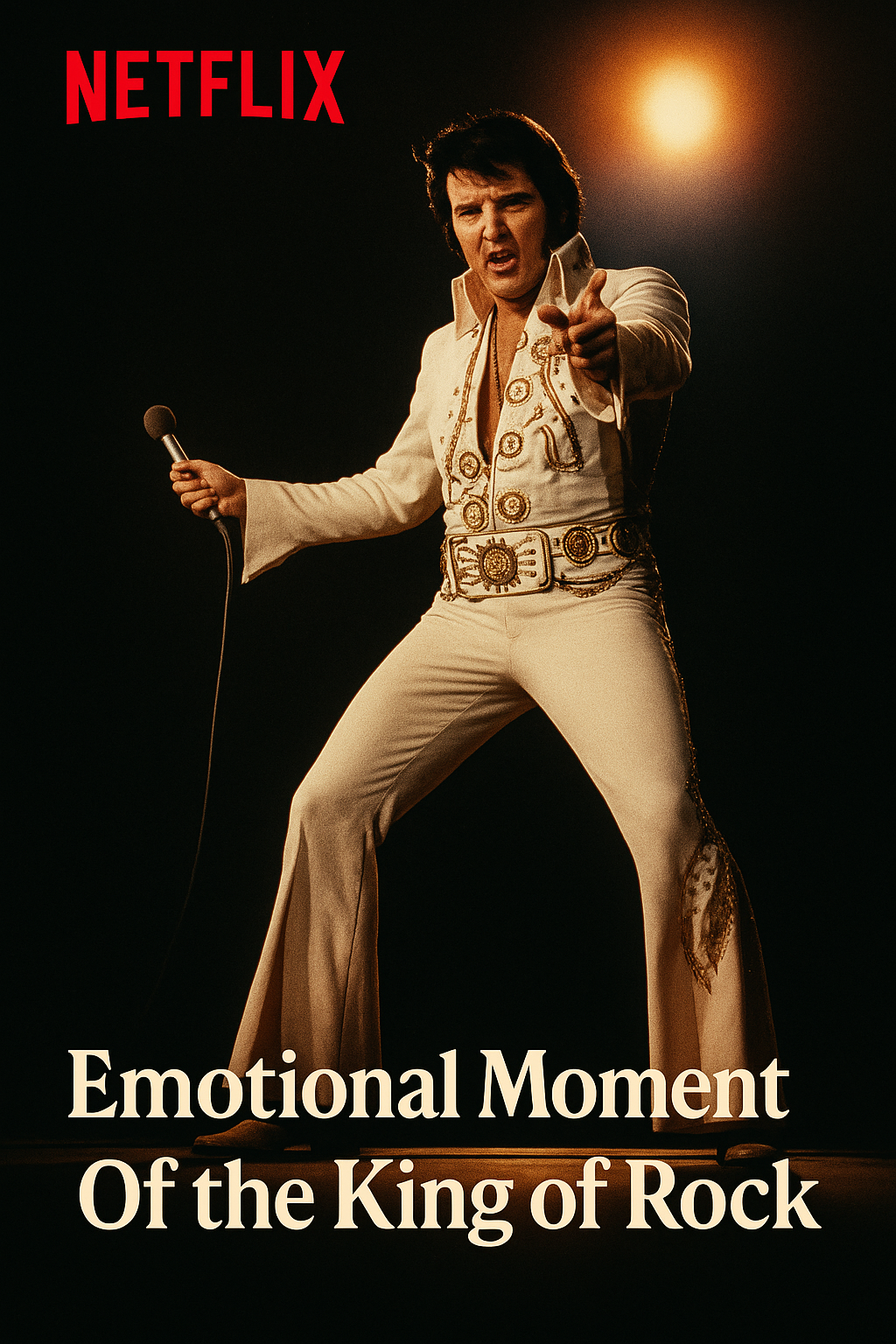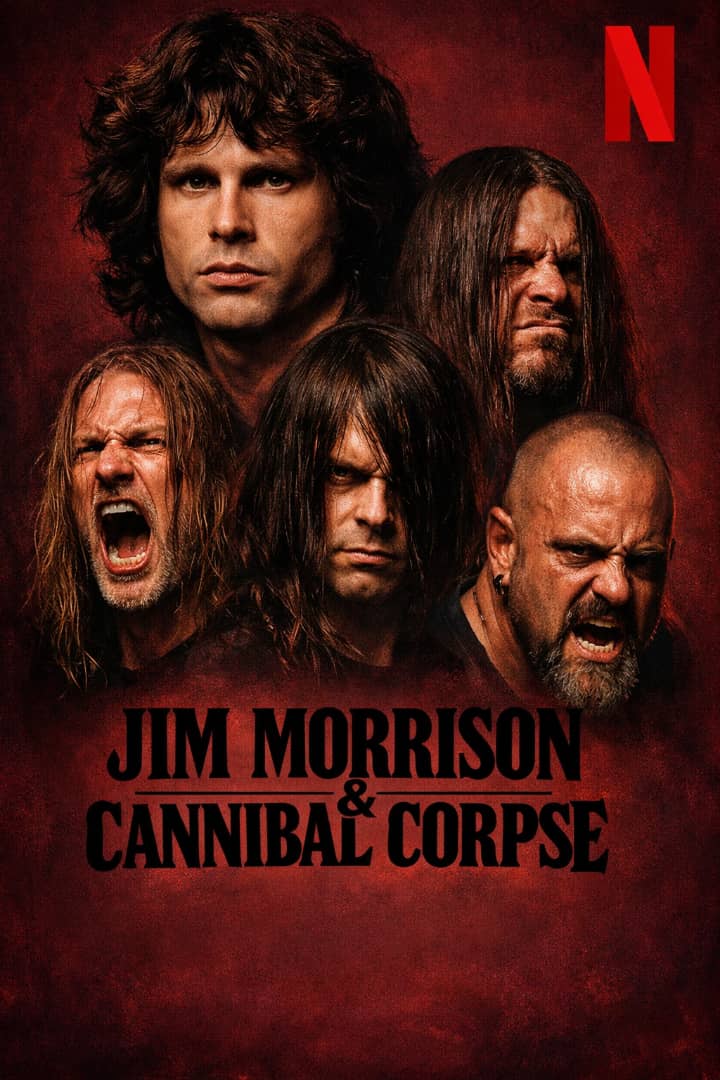
The story of Jim Morrison has always existed somewhere between documented history and dark mythology. As the magnetic frontman of The Doors, he embodied poetic rebellion, sensual danger, and a restless hunger for transcendence. His death in Paris at just 27 years old froze him in time, transforming him from rock star into eternal symbol. Decades later, his presence still lingers like smoke in a dimly lit room — mysterious, seductive, and unresolved.
When Morrison died in 1971, rock music lost one of its most unpredictable visionaries. Official reports offered few details, and the absence of an autopsy only fueled speculation. Fans were left with fragments instead of closure. That uncertainty became part of his legend, amplifying the aura that already surrounded him during his lifetime.
Morrison represented a generation searching for expanded consciousness. His lyrics blurred the line between ecstasy and chaos, poetry and provocation. He challenged audiences to confront desire, fear, and the limits of identity. In many ways, he wasn’t simply performing music — he was staging psychological rituals.
Years later, a very different kind of intensity would rise from the underground. Cannibal Corpse emerged as one of the most extreme forces in death metal. Where Morrison explored darkness through metaphor and mysticism, Cannibal Corpse confronted it head-on with sonic aggression and unapologetic imagery. Their sound was louder, faster, and far more brutal — yet still rooted in the same human fascination with mortality.
The contrast between Morrison and Cannibal Corpse may seem extreme, but both tap into a shared cultural current. They confront death, whether through whispered poetry or thunderous distortion. Morrison romanticized the abyss; death metal dragged it into fluorescent light. Both approaches force listeners to engage with discomfort.
Morrison’s era was shaped by psychedelic exploration and social upheaval. The late 1960s carried a sense of possibility mixed with instability. His death symbolized the fading of that fragile dream. It marked the end of innocence for many who believed music could permanently reshape the world.
Death metal, by contrast, was born from disillusionment. Bands like Cannibal Corpse did not promise transcendence — they delivered confrontation. Their themes were exaggerated, theatrical, and often controversial, but beneath the shock value lies a deeper exploration of fear and finality. It is art that refuses to look away.
The idea of a “trailer” behind these two legacies becomes symbolic. Imagine a cinematic sequence that begins in quiet Parisian streets before cutting to a roaring stage drenched in red light. The mood shifts from poetic melancholy to unrelenting force. The soundtrack moves from blues-infused rock to blast beats and guttural vocals.
Both Morrison and Cannibal Corpse challenge mainstream comfort in different ways. Morrison did it with charisma and lyrical ambiguity. Cannibal Corpse does it with extremity and volume. In both cases, controversy becomes part of the narrative — not accidental, but integral.
Death, in this context, becomes more than an event. It becomes an aesthetic. For Morrison, it was the tragic punctuation at the end of a meteoric rise. For death metal, it is thematic fuel — a symbol used to explore human fragility and power. One was silenced by mortality; the other continues to amplify it.
Culturally, Morrison’s death helped cement the mythology of the “27 Club,” placing him alongside other young artists whose lives ended too soon. His image remains frozen in youth, forever intense and unfinished. Cannibal Corpse, meanwhile, represents endurance — decades of persistence in a genre that thrives on extremity.
What connects these seemingly distant worlds is not similarity in sound but similarity in impact. Both provoke reaction. Both challenge boundaries. Both refuse neutrality. Whether through poetic whispers or distorted screams, they demand engagement.
In the end, the trailer behind these legacies is not just about death. It is about how art transforms mortality into meaning. Morrison’s voice still echoes across generations. Cannibal Corpse’s riffs still shake stages worldwide. Different eras, different languages of sound — yet both remind us that music’s darkest themes often leave the brightest imprint on cultural memory.