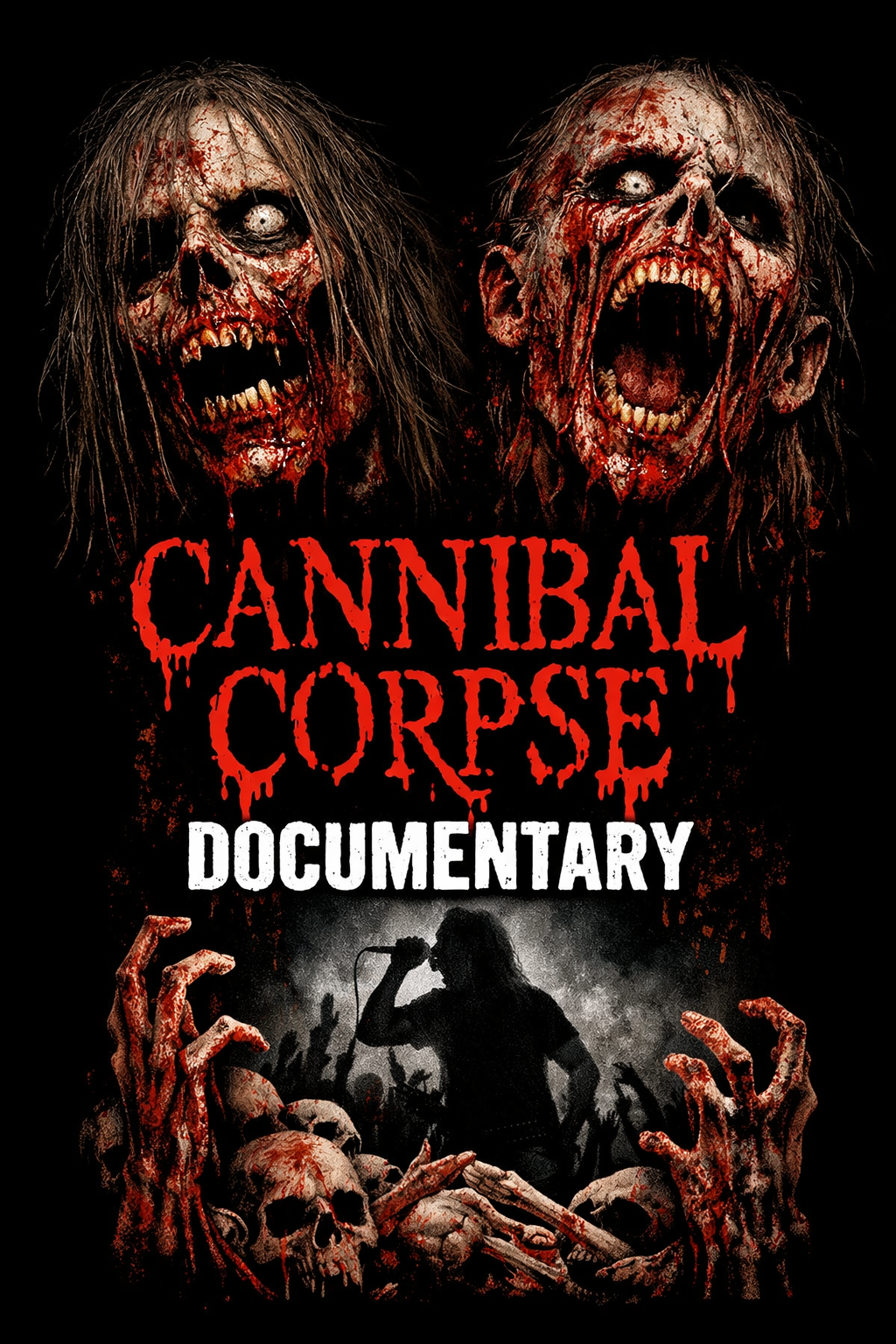
For decades, Cannibal Corpse has existed at the edge of mainstream music culture, simultaneously revered and feared. Their name alone has sparked outrage, curiosity, and fascination, often overshadowing the musicians behind the noise. Yet beneath the shock aesthetics and extreme sound lies a story that few outside the die-hard fanbase truly understand.
The recently unearthed hidden documentary pulls back the curtain on that story. Long rumored among collectors and underground metal circles, the footage offers an unfiltered look at the band’s early years, capturing moments that were never meant for mass consumption. It feels less like a polished film and more like a time capsule sealed in distortion and sweat.
What immediately stands out is how ordinary the band members appear when stripped of their stage personas. Away from the lights and the guttural vocals, they are thoughtful, self-aware, and deeply committed to their craft. The documentary challenges the assumption that extreme art must come from extreme personalities.
The film also explores the cultural climate in which Cannibal Corpse emerged. In the late 80s and early 90s, moral panic around music was at its peak, and the band became an easy target. Politicians, parents, and media outlets often used them as a symbol of everything “wrong” with youth culture.
Rather than glorifying controversy, the documentary shows how censorship and backlash shaped the band’s identity. Being banned in certain countries and targeted by authorities didn’t silence them—it sharpened their resolve. The footage captures candid discussions about freedom of expression and the line between art and offense.
There is a strong emphasis on the music itself, something often ignored in public discourse. The documentary dives into songwriting sessions, rehearsal rooms, and recording studios, revealing a surprising level of discipline and technical precision. Chaos, it turns out, is carefully constructed.
Fans will appreciate rare live clips that show the evolution of their performances. Early shows feel raw and almost unhinged, while later footage reveals tighter execution and a deeper connection with audiences. The growth is undeniable, both musically and personally.
Equally compelling are the moments of doubt and exhaustion. Touring takes its toll, and the documentary does not shy away from burnout, lineup changes, and internal tension. These scenes humanize the band, showing that longevity in extreme music is earned, not accidental.
The hidden documentary also contextualizes Cannibal Corpse within the broader metal ecosystem. Fellow musicians, producers, and scene veterans appear briefly, offering perspectives that range from admiration to disbelief. Together, they paint a picture of a band that influenced far more than it ever set out to.
One of the most striking elements is how little the band seems interested in defending itself. Rather than apologizing or explaining away their imagery, they focus on intent. The message is clear: the art is meant to provoke thought and emotion, not literal interpretation.
As the documentary unfolds, it becomes evident that Cannibal Corpse’s endurance is rooted in authenticity. Trends came and went, but they remained consistent, never softening their sound to gain approval. That stubborn consistency earned them respect, even from critics.
The unveiling of this documentary feels significant because it reframes the narrative. It’s not about shock for shock’s sake, but about artists navigating controversy while staying true to themselves. It asks viewers to reconsider what they think they know.
In the end, the hidden documentary does not seek to redeem or condemn Cannibal Corpse. Instead, it invites understanding. Whether one appreciates the music or not, the story stands as a testament to creative freedom, resilience, and the strange ways art can mirror society’s fears.