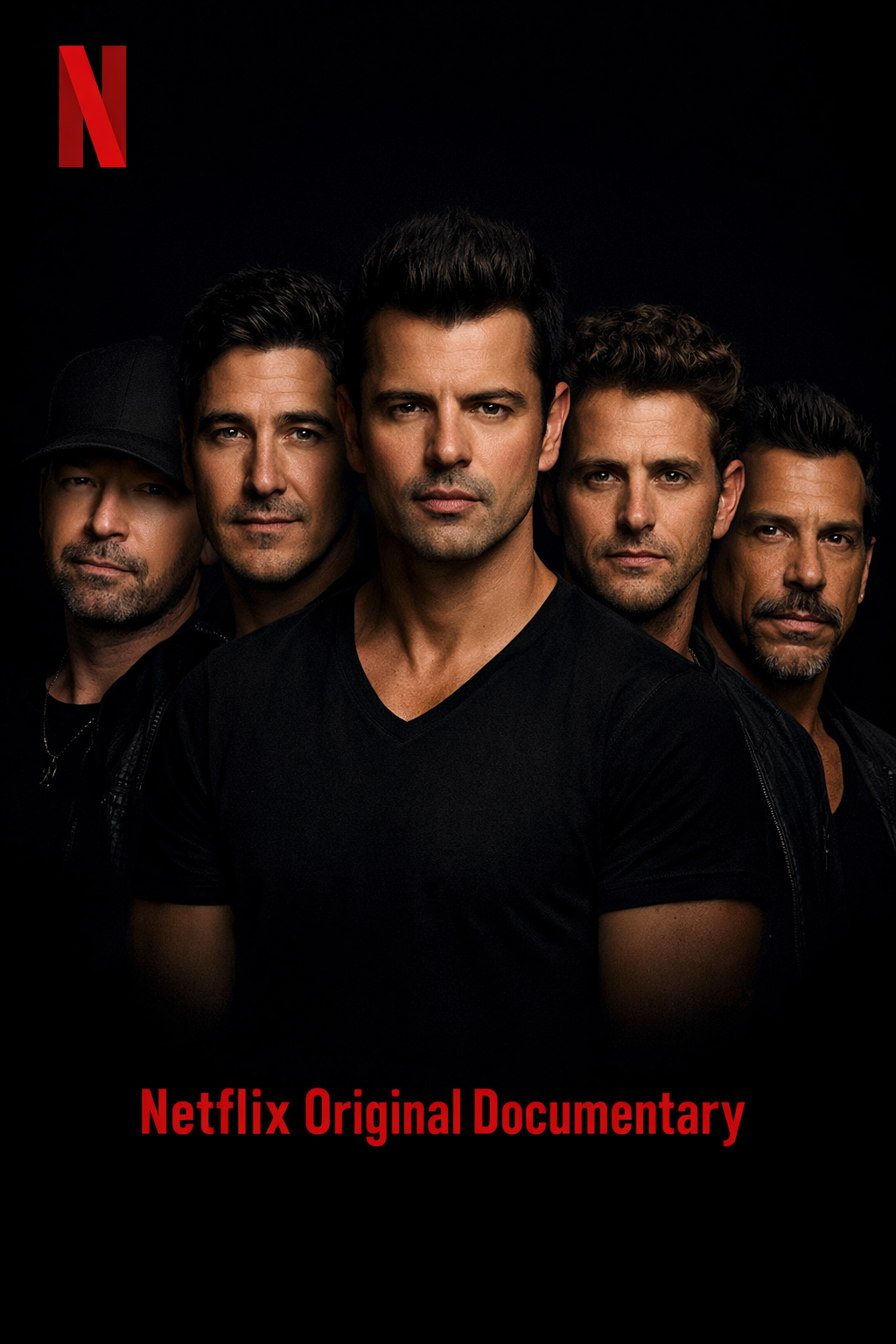
It’s finally happening, and fans who’ve waited decades for this moment can officially exhale. Netflix has released the long-awaited New Kids on the Block documentary, turning years of rumors, speculation, and hopeful whispers into reality. For a group that helped define pop stardom for an entire generation, this release feels less like a premiere and more like a cultural homecoming.
From the very first moments, the documentary makes it clear this isn’t a glossy highlight reel or a nostalgia cash-grab. Instead, it takes a measured, intimate approach, letting the story unfold with honesty and emotional weight. The members speak not as pop idols frozen in time, but as men who lived through an extraordinary rise, survived the fallout, and learned how to evolve beyond it.
The film traces the group’s early days with refreshing detail, capturing the raw ambition and uncertainty that came with being young, talented, and suddenly thrust into the spotlight. Before the sold-out arenas and screaming fans, there were long rehearsals, industry skepticism, and the pressure to prove they weren’t just another manufactured act.
As the documentary moves through their meteoric rise, it doesn’t shy away from the intensity of global fame. The hysteria, the expectations, and the constant scrutiny are presented with a balance of awe and realism. What once looked effortless on stage is revealed to be the product of relentless discipline and emotional sacrifice.
One of the most striking aspects of the film is how openly it addresses internal struggles. Creative disagreements, personal doubts, and the strain of growing up under a microscope are discussed with a vulnerability that feels rare in pop documentaries. The honesty gives depth to a story that could have easily stayed on the surface.
The documentary also explores the inevitable decline that followed their peak, a period often glossed over in mainstream narratives. Rather than framing it as failure, the film presents it as a necessary reckoning, a moment when each member had to confront who they were without the roar of the crowd.
What truly elevates the project is its focus on brotherhood. Despite fame, fractures, and time apart, the bond between the members remains the emotional backbone of the story. Their shared history feels less like a brand and more like a family that weathered storms few could imagine.
Netflix’s production style plays a quiet but effective role. The dark, cinematic visuals paired with candid interviews create a tone that feels reflective rather than sensational. It gives the documentary room to breathe, allowing moments of silence and emotion to speak as loudly as words.
For longtime fans, the documentary delivers a powerful sense of validation. It acknowledges the devotion of a fanbase that stayed loyal through every era, every hiatus, and every comeback. For newer audiences, it offers context, showing why New Kids on the Block mattered then and why their story still resonates now.
The film doesn’t attempt to rewrite history or soften its edges. Instead, it trusts the audience to appreciate complexity. Success is shown alongside vulnerability, confidence alongside fear, and triumph alongside regret, creating a narrative that feels both grounded and timeless.
Perhaps the most compelling takeaway is how the group reframes legacy. Rather than measuring success solely by chart positions or ticket sales, the documentary emphasizes growth, survival, and the ability to redefine purpose over time. It’s a message that extends far beyond music.
By the time the credits roll, it’s clear that this documentary is less about revisiting the past and more about understanding it. Netflix has delivered a thoughtful, emotionally rich portrait of a group that shaped pop culture and, in doing so, found a way to tell a story that still feels relevant today.
IT’S NOW OFFICIAL: Netflix releases long awaited new kid on the block documentary