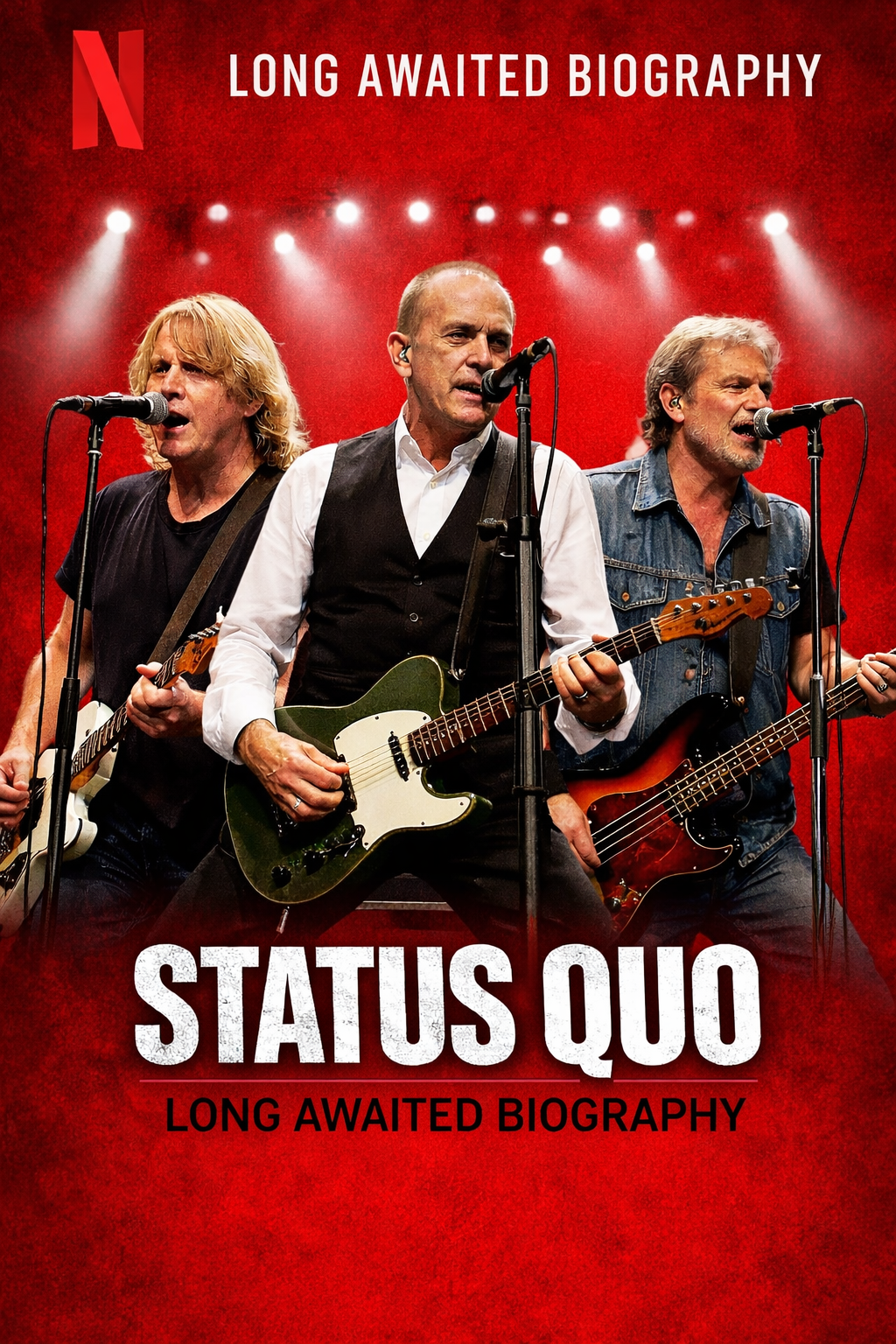
Status Quo’s journey is one of persistence, reinvention, and unwavering dedication to rock ’n’ roll. The long awaited biography finally brings their full story into focus, moving beyond the familiar hits to explore the human experiences behind the music. It presents the band not as a myth or monument, but as a living, breathing force shaped by time, struggle, and an unbreakable bond with their audience.
The biography begins by revisiting the band’s early years, when experimentation and uncertainty defined their path. Set against the backdrop of a changing British music scene, it captures the hunger of young musicians trying to find a voice that felt authentic. These formative chapters show how early influences and missteps were just as important as later successes, laying the groundwork for the sound that would define them.
As the narrative moves into their rise to prominence, the book details the moment Status Quo committed to a stripped-down, high-energy approach. This decision, often misunderstood or dismissed by critics, is reframed as a bold artistic choice. The biography explains how repetition, rhythm, and volume became essential elements of their identity, turning simplicity into a signature that audiences instantly recognized.
The personal dynamics within the band are explored with rare honesty. Friendships, rivalries, and creative tensions are all laid bare, revealing how these relationships fueled both inspiration and conflict. Rather than smoothing over disagreements, the biography embraces them as part of the band’s reality, demonstrating how friction sometimes drove the music forward rather than tearing it apart.
Touring emerges as a central theme throughout the biography. Life on the road is portrayed as exhilarating but exhausting, filled with late nights, long drives, and relentless expectations. The book captures how constant touring strengthened the band’s connection with fans while simultaneously testing their physical and emotional limits. It is in these moments that their reputation as tireless performers truly takes shape.
The biography also confronts the darker chapters of the band’s history. Health struggles, personal losses, and the pressures of fame are addressed without sentimentality. These sections bring a sense of vulnerability to the story, reminding readers that longevity in rock music often comes at a heavy cost. The willingness to confront these realities gives the biography its emotional depth.
Beyond the band itself, the biography places Status Quo within a wider cultural context. Their music is shown as a soundtrack to everyday life, resonating with working-class audiences and festival crowds alike. The book examines how their refusal to chase trends allowed them to remain relevant to generations of fans, even as the music industry evolved around them.
Later chapters focus on maturity and legacy. As the band members aged, their relationship with music, performance, and success inevitably changed. The biography reflects on how they adapted without losing the essence of what made them unique. These reflections add a contemplative tone, offering insight into what it means to grow older in a genre built on youthful rebellion.
One of the most compelling aspects of the biography is its refusal to romanticize the past. Triumphs and failures are given equal weight, creating a balanced portrait that feels honest and complete. The story acknowledges criticism and commercial pressures while reaffirming the band’s commitment to their own musical values.
In its final passages, the biography leaves readers with a sense of respect rather than nostalgia. It emphasizes that Status Quo’s story is not defined solely by their past, but by the impact they continue to have on fans and musicians alike. Their legacy is presented as something earned through hard work, resilience, and an unwavering belief in the power of rock ’n’ roll.
Ultimately, the long awaited biography succeeds because it tells the whole story. It honors the music, confronts the struggles, and celebrates the people behind the amplifiers. For fans, it offers clarity and closure. For newcomers, it serves as a powerful introduction to one of rock’s most enduring bands.