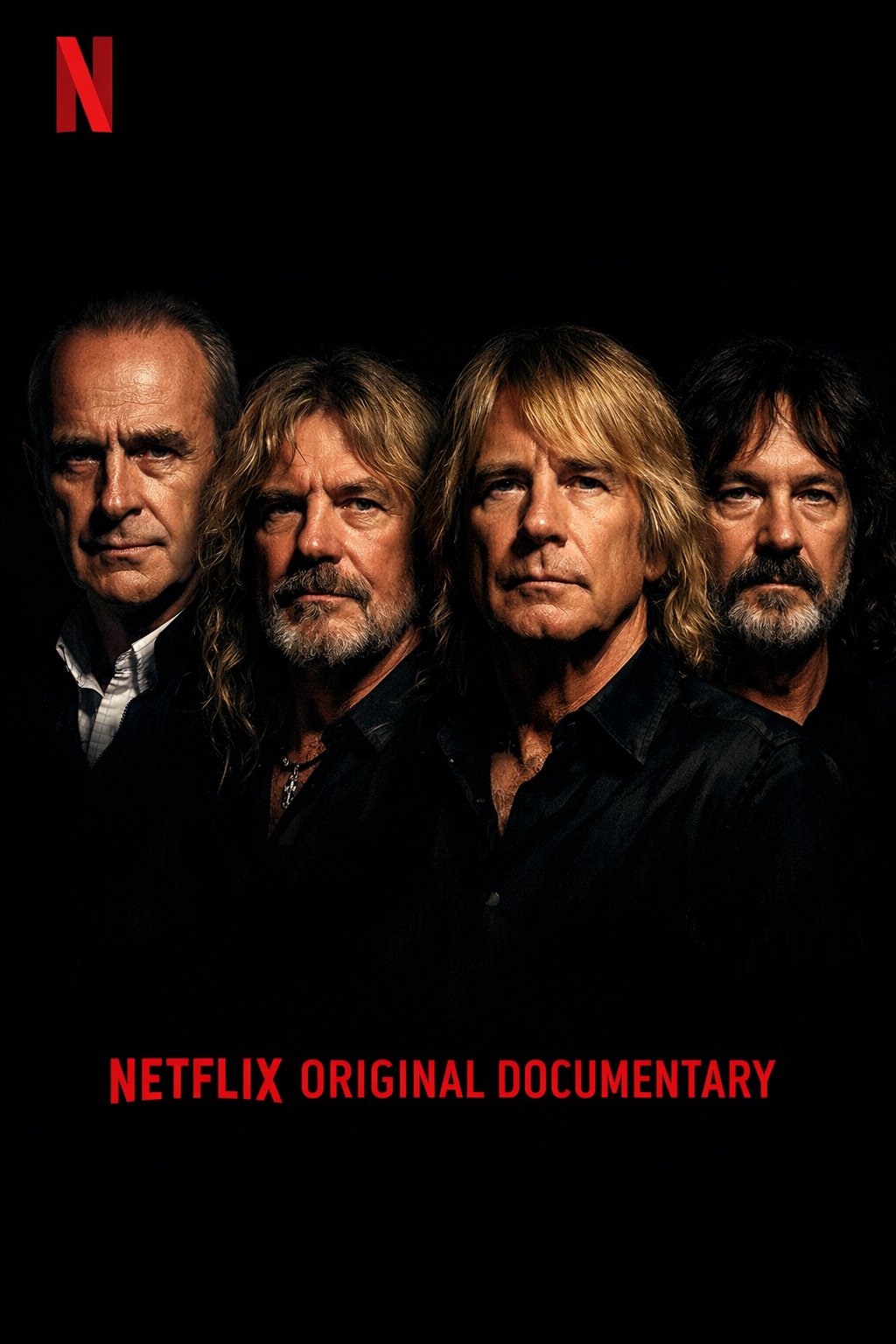
Legacy and fame never fade —– Netflix releases documentary, “The Sum of It All”
The arrival of a new documentary from Netflix has once again sparked conversations about the enduring nature of fame, legacy, and artistic identity. Titled The Sum of It All, the film offers a deeply personal and reflective look into the life and career of Ed Sheeran, an artist whose journey has been anything but ordinary. It is not just a story of success, but a layered exploration of growth, vulnerability, and the price of global recognition.
From the very beginning, the documentary sets a tone that feels intimate rather than performative. Viewers are drawn into moments that feel raw and unfiltered, revealing a side of Ed Sheeran that often remains hidden behind sold-out stadiums and chart-topping hits. There is a deliberate pacing that allows emotions to breathe, giving audiences time to truly connect with the person behind the music.
One of the most striking elements of the film is its focus on how fame evolves over time. Instead of presenting a linear success story, The Sum of It All examines the highs and lows that come with being constantly in the spotlight. It challenges the idea that fame is a fixed state, showing instead that it is something fluid, shaped by both personal choices and public perception.
As the documentary unfolds, it becomes clear that legacy is not just about achievements, awards, or record-breaking numbers. It is about impact—the way an artist’s work resonates with people across different cultures and generations. Through interviews, behind-the-scenes footage, and reflective narration, the film captures how Ed Sheeran’s music has become a soundtrack to countless lives.
The storytelling also leans heavily into themes of resilience. There are moments where doubt, loss, and pressure threaten to overshadow success, yet these are the very moments that define the artist’s character. The documentary does not shy away from these realities, instead embracing them as essential parts of the journey.
Visually, the production balances simplicity with cinematic depth. Clean, minimalist shots are contrasted with emotionally charged performance clips, creating a rhythm that mirrors the artist’s own career trajectory. The use of light and shadow subtly reinforces the idea of duality—public persona versus private individual.
Another compelling aspect is how the film addresses creativity. It shows that behind every hit song lies a process that is often messy, uncertain, and deeply personal. Viewers get a glimpse into the creative struggles and breakthroughs that shape the music, making it clear that artistry is as much about persistence as it is about talent.
The documentary also highlights the importance of relationships in shaping a career. Whether it’s family, friends, or collaborators, these connections form a foundation that supports and influences the artist’s path. The film carefully weaves these elements together, showing that no journey is truly solitary.
There is a quiet honesty in the way the narrative unfolds, avoiding exaggeration or unnecessary dramatization. This authenticity is what makes The Sum of It All resonate so strongly. It feels less like a promotional piece and more like a genuine reflection on what it means to live a life in music.
At its core, the film poses an important question: what remains when the noise of fame fades? The answer, as suggested throughout the documentary, lies in the work itself and the connections it creates. Legacy is not something that is declared; it is something that is built over time and remembered through impact.
The release of this documentary also speaks to a broader trend in storytelling, where audiences are increasingly drawn to authenticity over spectacle. Platforms like Netflix are leaning into narratives that feel real and relatable, offering viewers a chance to see beyond the surface.
In the end, The Sum of It All stands as a reminder that fame may fluctuate, but true legacy endures. It is a testament to the idea that what an artist leaves behind is not just their music, but the emotions, memories, and connections that come with it.
Legacy and fame never fade —– Netflix releases documentary, “the sum of it All “