Deicide has always existed at the extreme edge of death metal, not just musically but culturally. From their earliest days, the band positioned itself in direct opposition to convention, religion, and comfort, creating a sound and image that felt confrontational by design. The Hidden Documentary explores how this defiance was not a marketing tactic, but a core philosophy that shaped every riff, lyric, and performance.
The documentary peels back the mythology surrounding Deicide and focuses on the human tension behind the noise. It examines how the band emerged from Florida’s explosive death metal scene, a movement already notorious for its brutality and technical aggression. While many bands sought speed or complexity, Deicide pursued sheer hostility, crafting music meant to provoke reaction rather than acceptance.
Central to the story is the band’s uncompromising lyrical stance. At a time when anti-religious themes were still taboo even within metal, Deicide pushed far beyond symbolism into outright confrontation. The documentary does not sensationalize this choice; instead, it frames it as a deliberate rejection of imposed belief systems, reflecting anger, skepticism, and personal conviction rather than shock for shock’s sake.
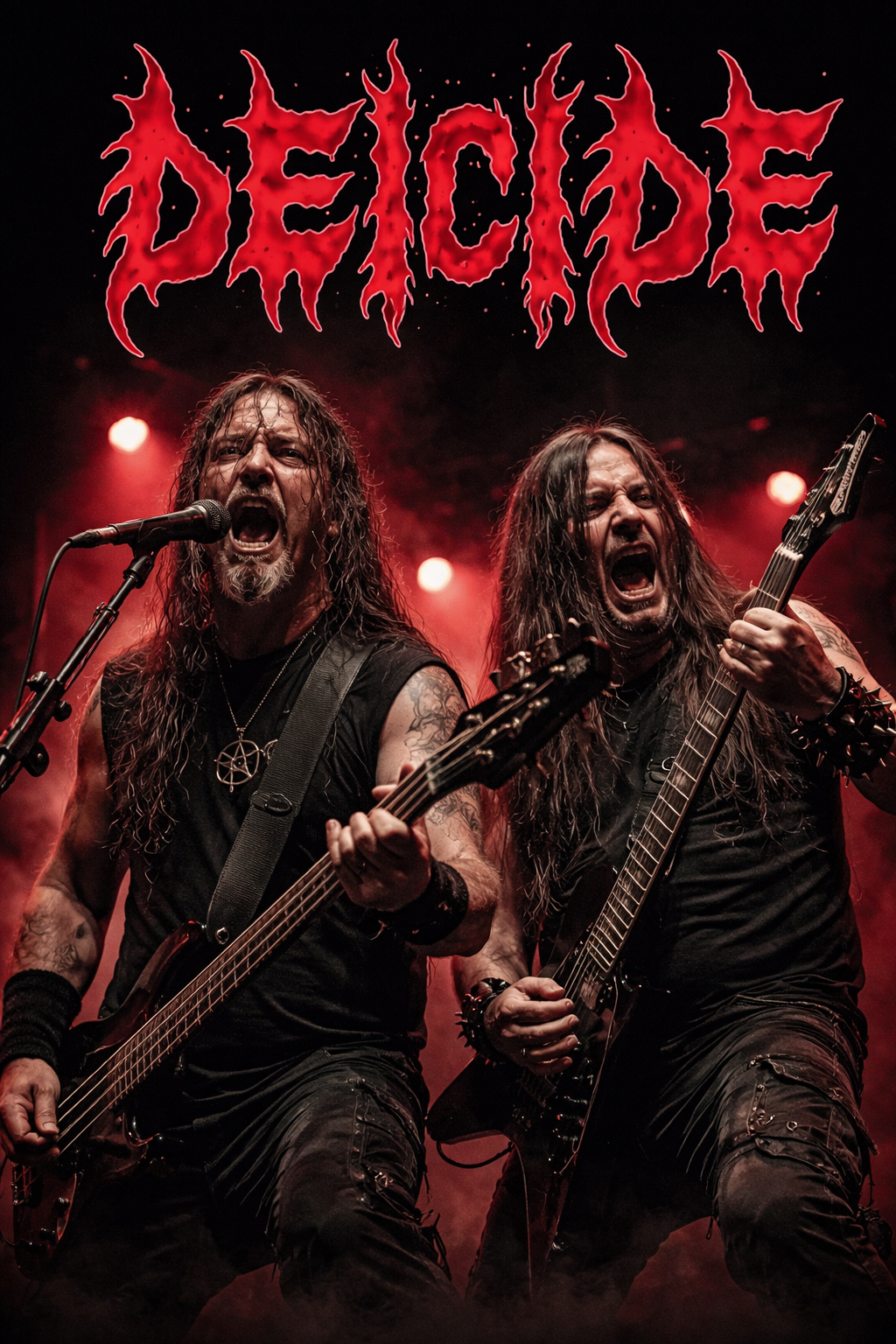
Live performances become a major focal point of the film. Archival footage and firsthand accounts reveal shows that felt less like concerts and more like controlled detonations. The intensity on stage, especially during vocal delivery and crowd interaction, created an atmosphere that blurred the line between performer and audience, making each show a volatile shared experience.
The Hidden Documentary also addresses the backlash. Protests, bans, and moral panic followed Deicide throughout their career, often overshadowing the music itself. Rather than portraying the band as victims or villains, the film presents these conflicts as inevitable consequences of refusing to soften their message in a world that demands compromise.
Behind the aggression, the documentary reveals the discipline required to sustain such extreme music over decades. Songwriting, rehearsal routines, and studio sessions are shown as meticulous processes, challenging the stereotype that death metal is chaotic or unstructured. The precision behind the brutality becomes one of the film’s most surprising revelations.
Personal struggles are not ignored. Lineup changes, internal conflicts, and the physical toll of constant touring are explored with honesty. These moments humanize a band often viewed as untouchable or inhuman, showing that endurance, not just extremity, is what kept Deicide alive through shifting trends and industry pressure.
The documentary places Deicide within the broader evolution of death metal, highlighting their influence on newer generations of extreme bands. Musicians and producers reflect on how Deicide’s refusal to dilute their sound set a benchmark for authenticity, proving that longevity does not require reinvention when conviction remains strong.
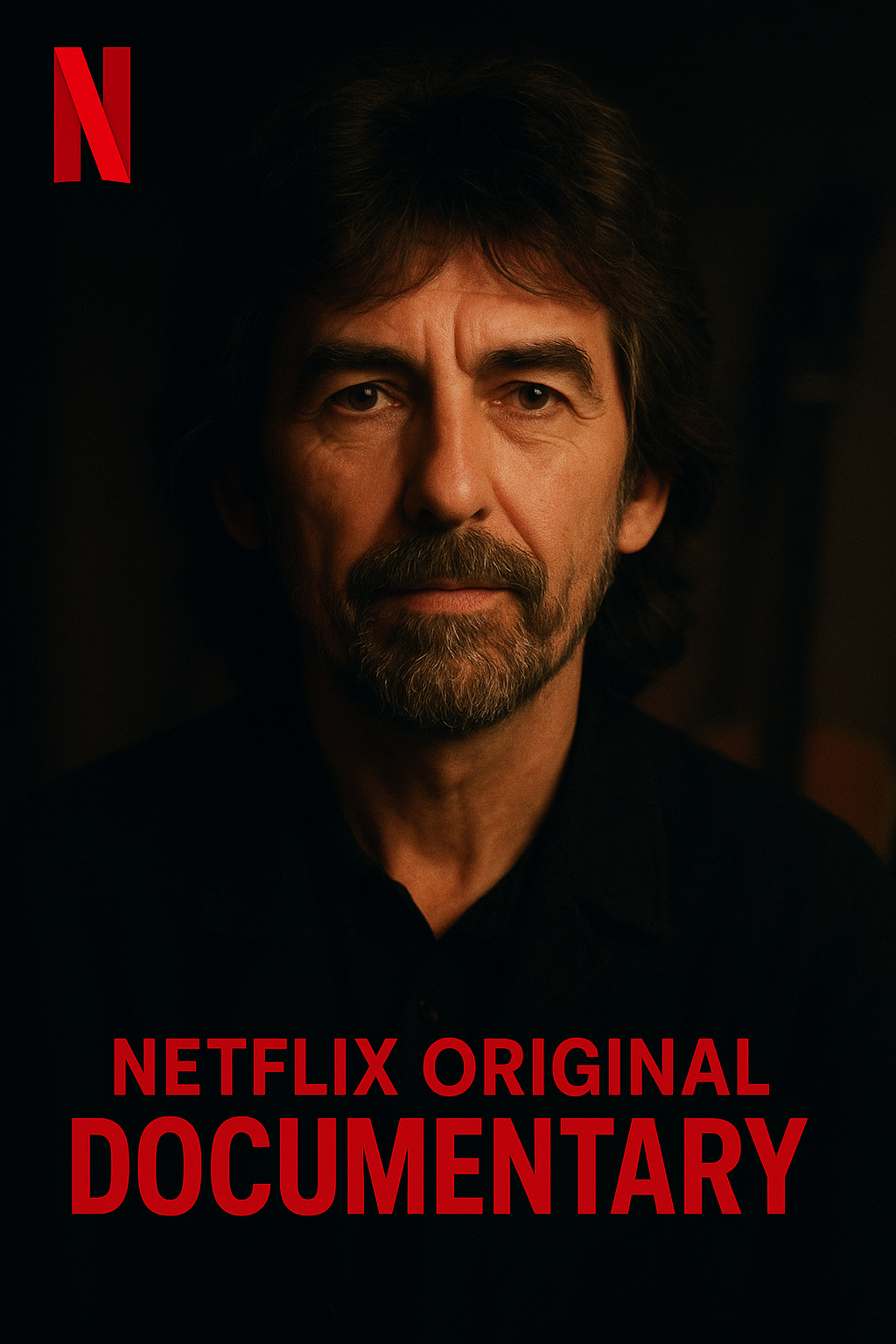
Visually, the film mirrors the band’s aesthetic—dark, minimal, and oppressive. Black-dominated frames, stark lighting, and raw performance footage reinforce the atmosphere without distracting from the narrative. The absence of polish feels intentional, echoing Deicide’s long-standing rejection of commercial gloss.
Ultimately, The Hidden Documentary is less about controversy and more about permanence. It argues that Deicide’s true legacy lies not in outrage, but in their unwavering consistency. In a genre built on extremes, Deicide stands as a reminder that the most radical act is refusing to change who you are, no matter how loud the world demands it.