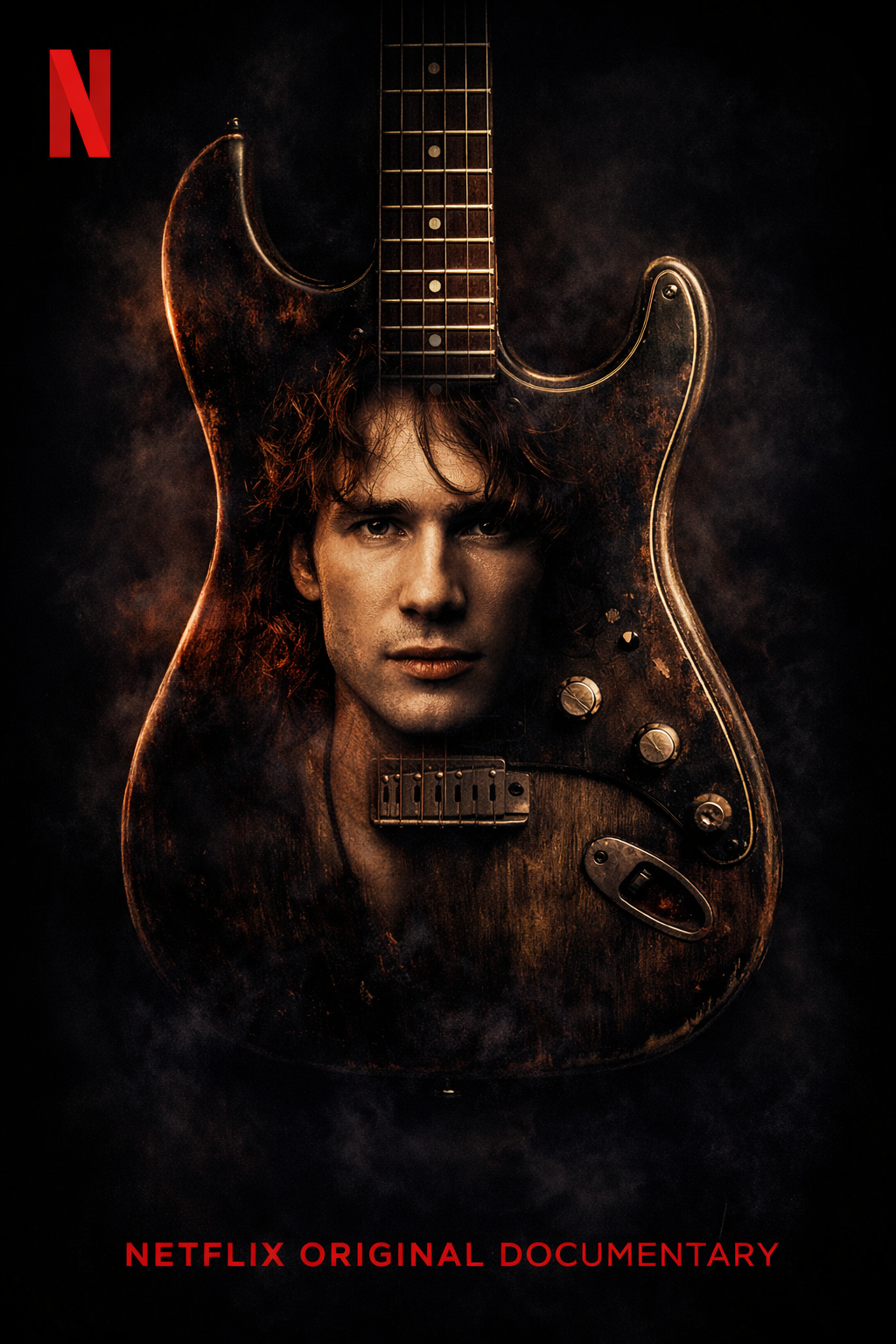
The long wait is finally over, and fans around the world are taking a deep breath as Netflix officially releases IT’S NEVER OVER, the long-anticipated documentary centered on the life, music, and enduring legacy of Jeff Buckley. For years, Buckley’s story has existed in fragments—through rare interviews, live recordings, and the emotional testimonies of those who loved and worked with him. Now, this documentary brings those pieces together in a way that feels intimate, reverent, and deeply human.
From its opening moments, the film makes it clear that this is not simply a celebration of a cult icon, but a careful exploration of an artist who lived intensely and created fearlessly. Jeff Buckley’s voice, often described as otherworldly, serves as both a guide and a ghost throughout the documentary. His words, thoughts, and melodies echo in a way that feels timeless, reminding viewers why his work continues to resonate decades after his passing.
The documentary takes viewers back to Buckley’s early years, tracing the roots of his musical identity. It explores his complicated relationship with legacy, particularly the shadow of his father, Tim Buckley, and how Jeff struggled to carve out his own voice while honoring the music that shaped him. These moments add emotional depth, revealing the vulnerability behind the confidence audiences saw on stage.
As the film progresses, it captures the electric energy of Buckley’s rise in the 1990s, a period defined by raw creativity and artistic exploration. Archival footage and behind-the-scenes recordings immerse viewers in the era, offering a front-row seat to the making of Grace, an album that would later be regarded as one of the most influential records of its time. The documentary does not rush these moments, allowing the music to breathe and speak for itself.
One of the most powerful aspects of IT’S NEVER OVER is its honesty. The film does not shy away from Buckley’s struggles with fame, expectation, and the pressure to follow up a masterpiece. Friends, collaborators, and industry insiders speak candidly about his relentless pursuit of authenticity and his refusal to compromise creatively, even when commercial success loomed within reach.
The documentary also explores Buckley’s deep connection to live performance, portraying the stage as a place where he felt most alive. Concert footage captures his emotional intensity and vocal range, reminding viewers why those who witnessed him live often described the experience as transformative. These scenes feel less like performances and more like shared moments of vulnerability between artist and audience.
At its core, the film is a meditation on impermanence and unfinished dreams. Buckley’s untimely death hangs quietly over the narrative, handled with sensitivity rather than sensationalism. The documentary allows space for reflection, focusing not on how his life ended, but on how fully he lived and how deeply he loved music.
There is a strong emotional thread woven through the voices of those left behind. Their reflections reveal a man who was generous, curious, and endlessly passionate, someone who inspired loyalty and admiration simply by being himself. These personal stories add warmth and humanity, grounding the myth of Jeff Buckley in real relationships and shared memories.
Netflix’s production approach gives the documentary a cinematic quality that matches the emotional weight of its subject. The pacing is deliberate, the visuals are moody and evocative, and the soundtrack is thoughtfully curated to guide viewers through Buckley’s world. Every creative choice feels intentional, designed to honor the spirit of the artist rather than overshadow it.
For longtime fans, IT’S NEVER OVER feels like a reunion, offering new insights while reaffirming why Buckley’s music still feels so immediate and alive. For newcomers, it serves as an invitation into his catalog, a doorway into a body of work that refuses to age or fade. The documentary bridges generations, proving that great art does not belong to one moment in time.
As the film draws to a close, it leaves viewers with a quiet but powerful understanding: Jeff Buckley may be gone, but his voice is not. His music continues to echo through bedrooms, headphones, and concert halls, carried forward by those who find pieces of themselves in his songs. The title IT’S NEVER OVER feels less like a statement and more like a promise.
With this release, Netflix has delivered more than a documentary—it has offered a space for remembrance, discovery, and connection. IT’S NEVER OVER stands as a testament to an artist whose influence refuses to diminish and whose story continues to unfold through the music he left behind. For fans old and new, the wait was long, but the reward is profound.