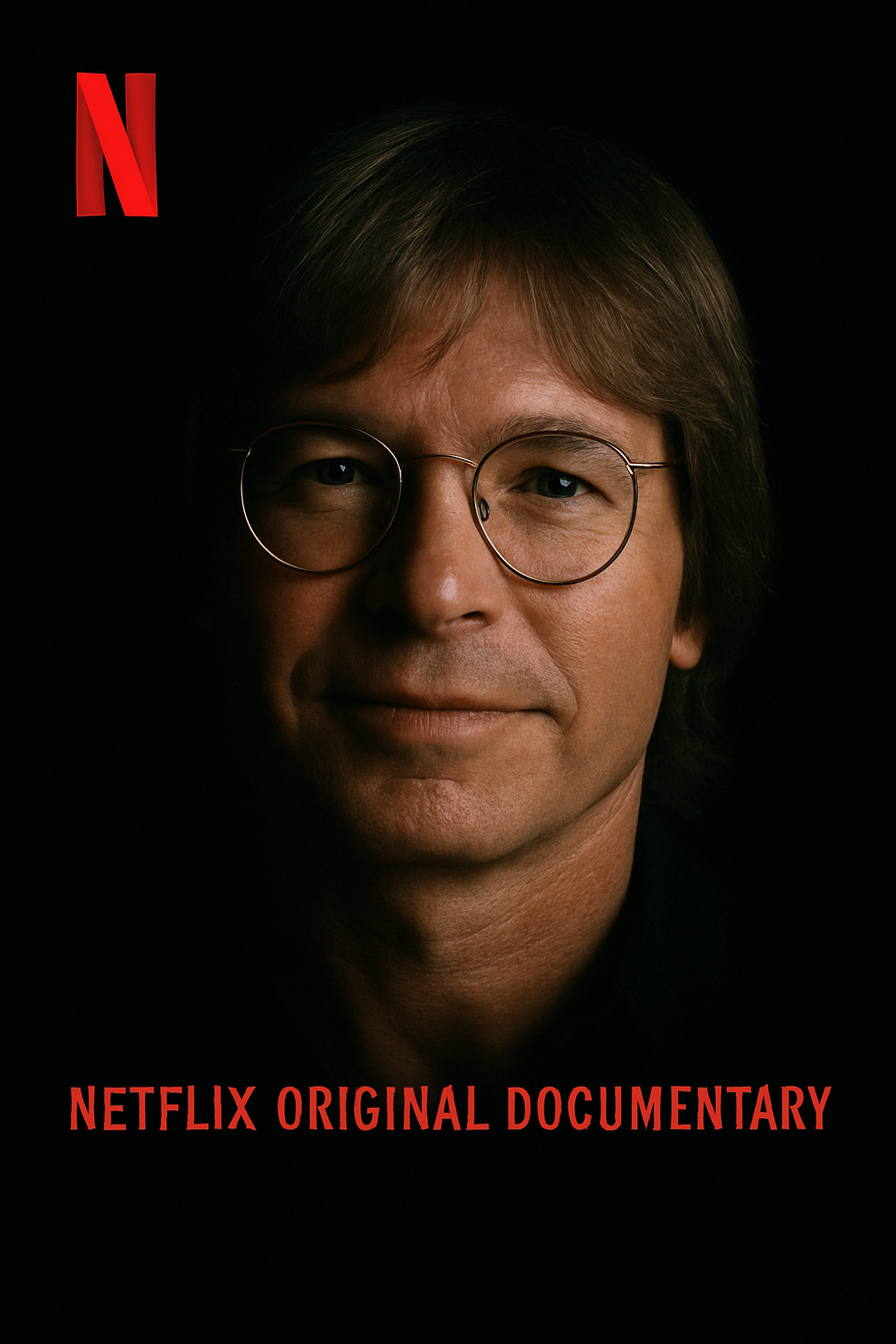
For years, fans of John Denver have been yearning for a deep, thoughtful documentary that captures not only his unmistakable voice but also the complexity of the man behind the music. Now, Netflix has finally delivered. The newly released documentary arrives with the kind of emotional weight, archival richness, and narrative clarity that longtime admirers hoped for—and that newcomers will find mesmerizing. It’s a tribute that feels long overdue, yet perfectly timed.
From the opening minutes, the documentary sets a tone of warmth mixed with introspection. It is immediately clear that this isn’t just another biography stitched together with talking-head interviews. Instead, it feels like a journey—one that honors Denver’s legacy while allowing space to reconsider the artist in the context of a changing world. The blend of restored concert footage, personal letters, and never-before-seen home videos gives the film a sense of intimacy rarely achieved in celebrity documentaries.
What stands out most is the way the filmmakers allow Denver’s own voice to guide the story. His reflections—sometimes joyful, sometimes melancholic—are woven through the narrative with care. Rather than focusing solely on his meteoric rise to fame, the documentary explores the tensions he faced between personal authenticity and the demands of the entertainment industry. It’s not afraid to show the contradictions, the struggles, and the moments where Denver himself seemed unsure of his place in the world.
Fans will particularly appreciate the detailed look at Denver’s songwriting process. The film spends time tracing the origins of iconic tracks like Take Me Home, Country Roads and Annie’s Song, revealing the emotional landscapes from which they emerged. The documentary doesn’t just recount the creation of these classics; it illustrates how they reflected Denver’s deep connection to nature and his desire for a simpler, more harmonious life.
The documentary also dives into Denver’s environmental activism, an aspect of his career sometimes overshadowed by his musical success. Through footage of his speeches, conservation efforts, and partnerships with environmental organizations, viewers get a fuller picture of a man passionately committed to protecting the natural world. His advocacy is presented not as a side note, but as a fundamental part of who he was—an extension of the themes he embedded in his music.
But what may surprise viewers most is the film’s honest examination of the challenges Denver faced behind the scenes. It touches on the pressures of fame, the strain on his personal relationships, and the emotional turmoil that accompanied his success. These segments are handled with empathy, offering a nuanced portrait that avoids sensationalism. Instead, it invites understanding, even for those aspects of Denver’s life that were fraught or painful.
Family members, close collaborators, and lifelong friends lend their voices to the story, adding depth and perspective. Their recollections feel heartfelt, and at times, deeply moving. Many of them express the sense that Denver’s fame, though transformative, was something he navigated with ambivalence. These interviews help paint a more complete picture of a man striving to balance creativity, purpose, and personal peace.
Visually, the documentary is stunning. Sweeping aerial shots of the Rocky Mountains, oceanscapes, and sprawling forests echo the natural imagery Denver celebrated in his music. The cinematography seems intentionally crafted to reflect his worldview—a reminder of the beauty he believed was worth protecting. Combined with the soundtrack of remastered Denver classics, the experience is both nostalgic and surprisingly immersive.
As the documentary builds toward its conclusion, it doesn’t shy away from addressing the tragic circumstances of Denver’s death. Yet even here, it maintains a tone of reverence rather than sensationalism. The focus remains on his enduring impact: the generations of musicians he influenced, the environmental movements he supported, and the millions of listeners whose lives his songs touched in profound ways.
What lingers after watching is a renewed appreciation for John Denver not just as an artist, but as a human being with dreams, flaws, and a remarkable capacity for connection. The film manages to celebrate his achievements while grounding them in genuine humanity. It’s the kind of storytelling that invites reflection—on music, on nature, and on the legacy we leave behind.
Netflix’s documentary arrives as both a tribute and a reintroduction. It brings Denver’s voice back into the cultural conversation at a moment when its message feels especially relevant. Whether you’ve loved his music for decades or are discovering it for the first time, the film offers a meaningful, memorable experience.
For fans, it is nothing short of a gift. For everyone else, it may just spark a newfound appreciation for an artist whose melodies and message continue to resonate long after his final song faded into the sky.